How to Choose an Exercise Bike That You’ll Actually Ride Regularly at Home | Checkout NOW
I bought my first exercise bike during the pandemic when gyms shut down, thinking it would be a temporary thing. Three years later, it’s still one of my most-used pieces of home equipment. The secret wasn’t motivation or discipline—it was picking the right bike that actually fit my life, space, and fitness level. A bad choice would have ended up as an expensive clothes hanger.
If you’re thinking about getting an exercise bike for your home, this guide is for you. I’ll walk you through the real things that matter so you end up with something you enjoy using instead of ignoring.
Why an Exercise Bike Is Still One of the Smartest Home Fitness Investments
Stationary bikes give you excellent cardio without pounding your joints. You can ride while watching shows, listening to music, or catching up on podcasts. They’re quiet, relatively compact, and suitable for almost every fitness level—from complete beginners to serious cyclists.
The key advantage? Consistency. When the bike is right there in your living room or spare bedroom, you’re way more likely to hop on for 20–30 minutes than drive to a gym. Over months and years, that consistency beats occasional intense workouts.
Different Types of Exercise Bikes Explained
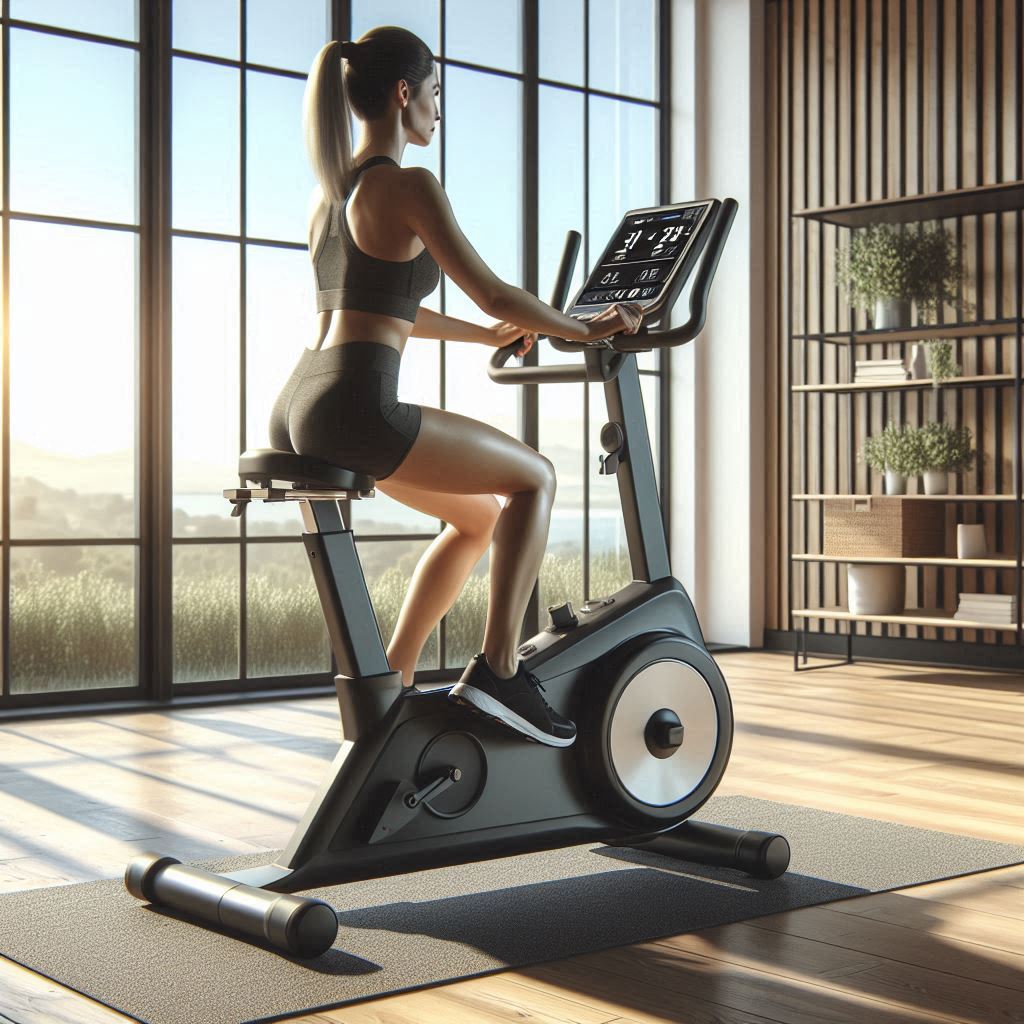
Upright Bikes These look like traditional road bikes. You sit more upright, which feels natural for most people. Great for general cardio, calorie burning, and beginners. They take up less space and are usually more affordable.
Recumbent Bikes You sit back in a bucket-style seat with legs out in front. These are much easier on your lower back and great if you have joint issues, are recovering from injury, or want to read or watch TV comfortably. They feel more stable but usually take up more floor space.
Indoor Cycling / Spin Bikes These mimic road bikes with a more aggressive, leaned-forward position. They have heavier flywheels for a smoother, more realistic pedal feel. Perfect if you enjoy high-intensity spin classes or want something closer to outdoor cycling. They’re louder and more intense but excellent for serious training.
Air Bikes Also called fan bikes. The harder you pedal, the more resistance you get from the big fan. They work your upper body too because of the moving arms. Fantastic for HIIT workouts but noisier and not ideal for relaxed, long sessions.
Must-Consider Features Before Buying
Comfort This is everything. A bad seat will make you quit. Look for adjustable, cushioned seats. Wider, gel-padded ones are better for longer rides. Handlebar position should adjust easily so you can find a natural posture.
Resistance Levels At least 8–16 levels (or magnetic resistance) so you can progress as you get fitter. Magnetic resistance is quiet and smooth. Friction or belt resistance can feel more “real” but gets noisier over time.
Flywheel Weight Heavier flywheels (15–30+ lbs) give smoother, more momentum-filled pedaling. Lighter ones feel jerkier, especially at low speeds.
Screen and Tracking Basic models show time, speed, distance, and calories. Better ones have Bluetooth, heart rate monitors, or connect to popular cycling apps. If you like guided classes, check compatibility with Peloton-style apps (many bikes now work with them without the huge subscription cost).
Size and Weight Capacity Measure your space carefully—including height clearance. Check the maximum user weight (usually 250–350 lbs) and add some buffer.
Noise Level Important if others are home or you ride early/late. Magnetic bikes win here.
Build Quality and Stability A sturdy frame that doesn’t wobble when you pedal hard. Look at the overall weight of the machine—heavier usually means more stable.
Assembly and Portability Some arrive almost ready to use. Others need 1–2 hours. Wheels for moving it around are very helpful.
Matching the Bike to Your Goals and Lifestyle
Weight Loss and General Fitness → Upright or recumbent with good comfort and moderate resistance. Serious Training or Spin-Style Workouts → Indoor cycling bike with heavy flywheel. Joint Issues or Back Pain → Recumbent bike. Small Apartment → Compact upright or foldable model. Want Motivation Through Classes → Bike compatible with popular fitness apps.
Be realistic about how you’ll use it. If you hate high-intensity workouts, don’t buy a hardcore spin bike. If you want to read while exercising, go recumbent.
Setting It Up for Long-Term Success
Place the bike where you’ll actually use it—not hidden in a basement. Many people put theirs in front of the TV or near a window. Good lighting and ventilation make sessions more enjoyable.
Start slow. Even 10–15 minutes a few times a week builds the habit. Track your rides for the first month—seeing progress is motivating. Mix up intervals, steady rides, and recovery days.
Comfort upgrades matter: a good pair of padded cycling shorts or gel seat cover can make a huge difference. A fan nearby helps when you start sweating.
Maintenance Tips to Keep It Running Smoothly
Wipe down the frame and seat after rides. Check bolts every few months. Lubricate the chain or belt if your model has one. Replace the seat or pedals if they wear out—easy and cheap upgrades that extend the bike’s life.
Common Mistakes to Avoid
- Buying the cheapest option just to “try it.” You’ll feel the difference in quality quickly.
- Ignoring seat comfort—replace it early if needed.
- Storing it somewhere out of sight (out of mind).
- Setting unrealistic expectations. It won’t transform your body in two weeks, but consistent use over months will.
Final Thoughts
The “best” exercise bike is the one you actually ride regularly. Focus on comfort, quiet operation, and features that match how you want to exercise. Don’t chase fancy screens or huge brands if basic functions and solid build quality are there.
For most people, a well-chosen upright or recumbent bike becomes a reliable part of daily life—something that quietly improves energy, mood, and fitness without drama. Once you find the right one, it stops feeling like “exercise” and starts feeling like valuable me-time.
Take measurements, read real user reviews about long-term use, and be honest about your space and goals. A good exercise bike, used consistently, is one of the highest-return investments you can make in your health.