The Honest Guide to Picking a Walking Pad Treadmill That You’ll Actually Use Every Day | Checkout NOW
I never thought I’d own a treadmill. Gym memberships felt like a waste of money, and the idea of a big bulky machine in my living room sounded awful. Then I discovered walking pads—those slim, low-profile treadmills made for walking while working, watching shows, or just moving more during the day. Within a month of using one, I was hitting 8,000–10,000 steps without even thinking about it. My energy went up, back pain went down, and I finally felt consistent with movement.
If you’re stuck at a desk most of the day or want to add more walking without complicated gym routines, a good walking pad can be a total game-changer. But not all are created equal. Here’s everything I’ve learned after testing a few and talking to friends who bought them too.
Why Walking Pads Have Become So Popular
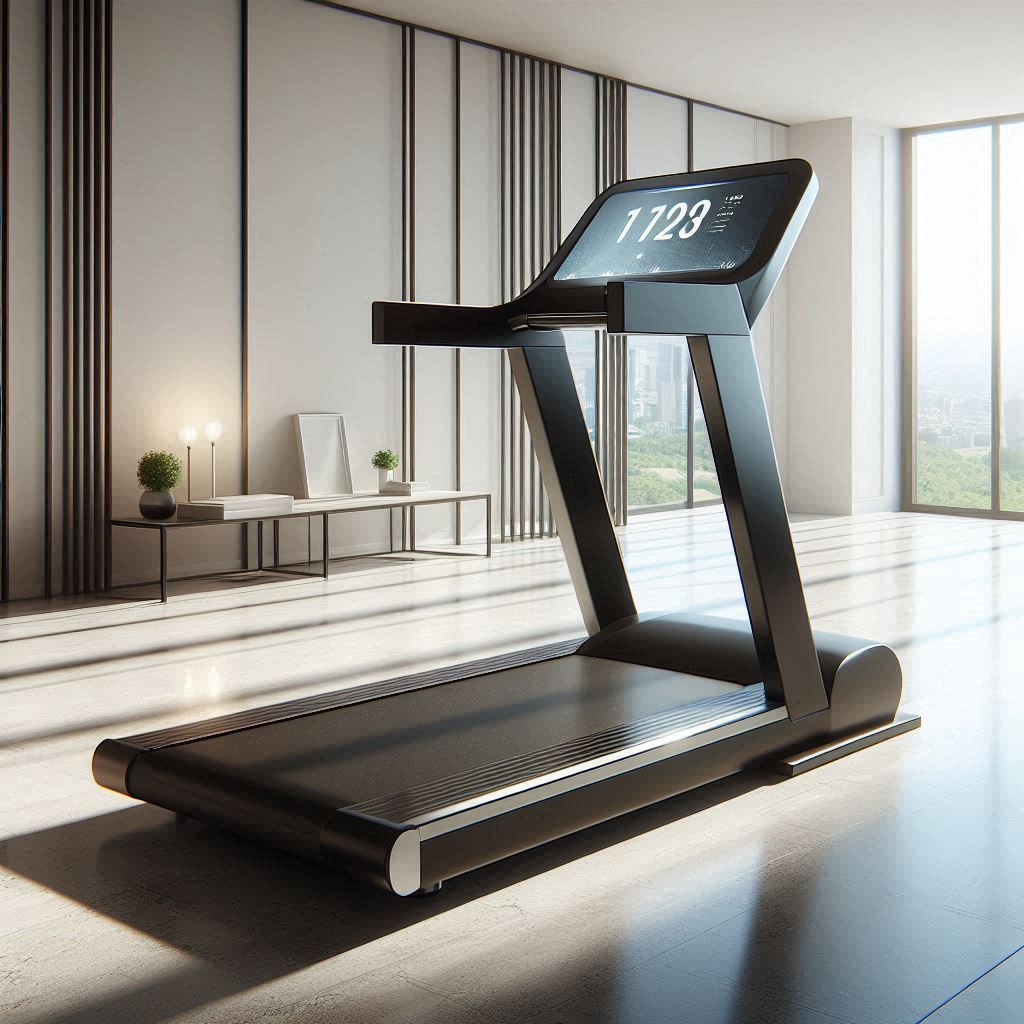
Traditional treadmills are tall, noisy, and take up permanent space. Walking pads (also called under-desk treadmills) are different. They’re usually under 5 inches tall, foldable or easy to roll away, and designed for walking at slow-to-moderate speeds rather than intense running.
The big appeal is convenience. You can walk while answering emails, folding laundry, or catching up on your favorite series. No need to change clothes or drive anywhere. Just step on and go. For people with busy lives, sitting less and moving more becomes realistic instead of another failed resolution.
Studies keep showing that even light walking throughout the day improves mood, focus, circulation, and long-term health. A walking pad makes that habit almost automatic.
Key Things to Consider Before Buying
Size and Storage Measure your space honestly. Most walking pads are around 40–55 inches long and 20 inches wide. Look for models with wheels so you can slide them under a couch or bed when not in use. Some fold vertically, which is great for small apartments.
If you plan to use it under a standing desk, make sure the height works with your desk setup. The belt should feel stable when you walk—no wobbling or shifting.
Weight Capacity and Build Quality Don’t cheap out here. A solid frame that supports 250–300+ lbs will feel more stable and last longer. Cheaper pads sometimes feel shaky at higher speeds or wear out quickly.
Speed Range Most people use walking pads between 1.5–4 mph. If you want occasional light jogging, look for ones that go up to 6–7.5 mph. But for pure walking and standing desk use, 0.5–4 mph is usually plenty.
Motor Power A stronger motor (at least 2.0–2.5 HP) runs quieter and handles consistent use better. Weak motors overheat faster and feel strained.
Display and Controls Simple is better. A clear screen showing speed, time, steps, distance, and calories is enough for most. Remote control is a must-have—you don’t want to bend down every time you want to change speed. Some connect to apps for tracking, which can be motivating.
Noise Level This is crucial if you’ll use it while on calls or watching TV. Good ones are surprisingly quiet, especially at walking speeds. Test reviews mention this a lot—cheap ones can sound like a loud fan or vibrating washer.
Belt and Cushioning A wide, textured belt with some cushioning protects your joints. Look for non-slip surfaces and easy-to-clean materials. Wider belts (around 16–18 inches) feel more comfortable and natural.
Portability and Ease of Use The best ones are ready to use straight out of the box with minimal assembly. If it takes 30 minutes of setup and tools you don’t have, it might stay in the box.
Different Types and Who They Suit
Basic Budget Models Great for beginners who just want to test the habit. They’re lighter, cheaper, and perfect if you’re short on space or money. Expect decent performance for casual walking.
Mid-Range Walking Pads My sweet spot. Better motors, quieter operation, longer warranties, and useful extras like Bluetooth or incline options. These feel worth the investment for daily use.
Premium or Foldable Ones Bigger motors, better displays, and sometimes slight incline. Ideal if you want something that feels closer to a real treadmill but still compact.
With Desk Combos Some come as all-in-one walking desk setups. Good if you work from home and want everything integrated, but they take more space.
How to Make It Part of Your Routine
The secret isn’t fancy features—it’s consistency. Start small. Even 20–30 minutes a day while checking emails adds up fast. Many people aim for 1–2 hours total spread throughout the day.
Wear supportive shoes. Start at a slow speed until you get used to walking and typing at the same time (it takes a couple of days). Keep water nearby and maybe a small fan if you get warm.
Track your steps or time for the first few weeks. Seeing the numbers go up is surprisingly motivating. I went from sitting 10+ hours a day to averaging over 7,000 steps just from morning and afternoon sessions.
Potential Drawbacks to Know
- It does take some getting used to—coordination improves quickly but the first week might feel awkward.
- Electricity cost is very low, but it’s another device to plug in.
- Not ideal for serious running (most aren’t built for high speeds or heavy impact).
- You still need some willpower to step on it instead of just sitting.
Maintenance Tips for Long Life
Keep it clean—wipe the belt after sweaty sessions. Lubricate according to the manual (some are maintenance-free). Don’t overload it with weight beyond the limit. Store it properly if you’re folding it daily.
A good one should easily last 2–4 years with regular home use.
Final Thoughts on Choosing Yours
Don’t buy the cheapest one just to try it—you’ll likely get frustrated and quit. At the same time, you don’t need the most expensive model with every bell and whistle. Focus on quiet operation, solid build, easy storage, and a speed range that matches how you plan to use it.
Think about your lifestyle. Do you work from home? Have a small apartment? Want to watch Netflix while walking? Answer those questions first, then match the machine to your needs.
For me, the walking pad has been one of the best fitness purchases I’ve ever made because it fits into my real life instead of forcing me to change my whole schedule. No gym guilt, no fancy outfits, just steady movement that feels sustainable.
If you’ve been thinking about moving more but struggling to make it happen, this could be the tool that finally clicks for you. Start with realistic expectations, pick a quality model that fits your space, and give yourself a couple of weeks to build the habit. Most people who stick with it for a month say they can’t imagine going back to constant sitting.
Your body (and future self) will thank you for those extra steps.