Building a Sustainable Garden That Gives Back to You and the Planet | Checkout NOW
Creating a garden at home is one of the most rewarding things you can do. When you design it with sustainability in mind, it becomes more than just a pretty space — it turns into a mini ecosystem that supports local wildlife, saves water and money, and gives you fresh food and flowers with less effort over time.
You don’t need a huge yard or expert knowledge to get started. Many of the best sustainable gardens begin small and grow naturally as you learn what works in your specific conditions.
Start With Understanding Your Space and Climate
Observe your yard for a full season if possible. Note how much sun different areas get, where water collects or drains poorly, what the soil feels like, and which direction the wind blows. These details guide every smart choice.
Test your soil if you can. Many local extension offices offer affordable testing that tells you pH, nutrients, and organic matter levels. This prevents wasting money on the wrong plants or amendments.
Choose native or well-adapted plants for your region. They need far less water, fertilizer, and pest control once established because they belong there.
Core Principles of a Sustainable Garden
Water Wisdom Water is precious. Use mulch generously — it cools soil, retains moisture, and suppresses weeds. Drip irrigation or soaker hoses deliver water directly to roots. Rain barrels capture free water from your roof. Group plants with similar water needs together (hydrozoning).
Healthy Soil First Everything starts with the soil. Add compost, leaf mold, and organic matter regularly. Avoid digging too much — no-till methods preserve soil structure and beneficial microbes. Cover crops or green manures in off-season beds build fertility naturally.
Plant Diversity A mix of flowers, herbs, vegetables, shrubs, and trees creates a balanced ecosystem. This attracts pollinators, beneficial insects, and birds that help control pests naturally. Companion planting (like marigolds with tomatoes) can reduce problems.
Reduce Waste and Chemicals Make your own compost from kitchen scraps and yard waste. Use physical barriers, hand-picking, and neem oil instead of synthetic pesticides when needed. Integrated pest management focuses on prevention first.
Practical Elements to Include
Vegetable and Herb Garden Raised beds warm up faster, drain better, and are easier on your back. Use untreated wood, stone, or metal. Succession planting and crop rotation keep soil healthy and harvests coming. Vertical growing (trellises, cages) maximizes small spaces.
Pollinator Garden Dedicated flower beds or borders with blooms from early spring to late fall support bees, butterflies, and hummingbirds. Choose single-flowered varieties over doubles for easier nectar access. Leave some stems standing over winter for nesting insects.
Compost System A simple bin, tumbler, or even a pile in the corner turns waste into black gold. Balance greens (nitrogen) and browns (carbon) for best results. Worm composting works well for smaller spaces or apartments.
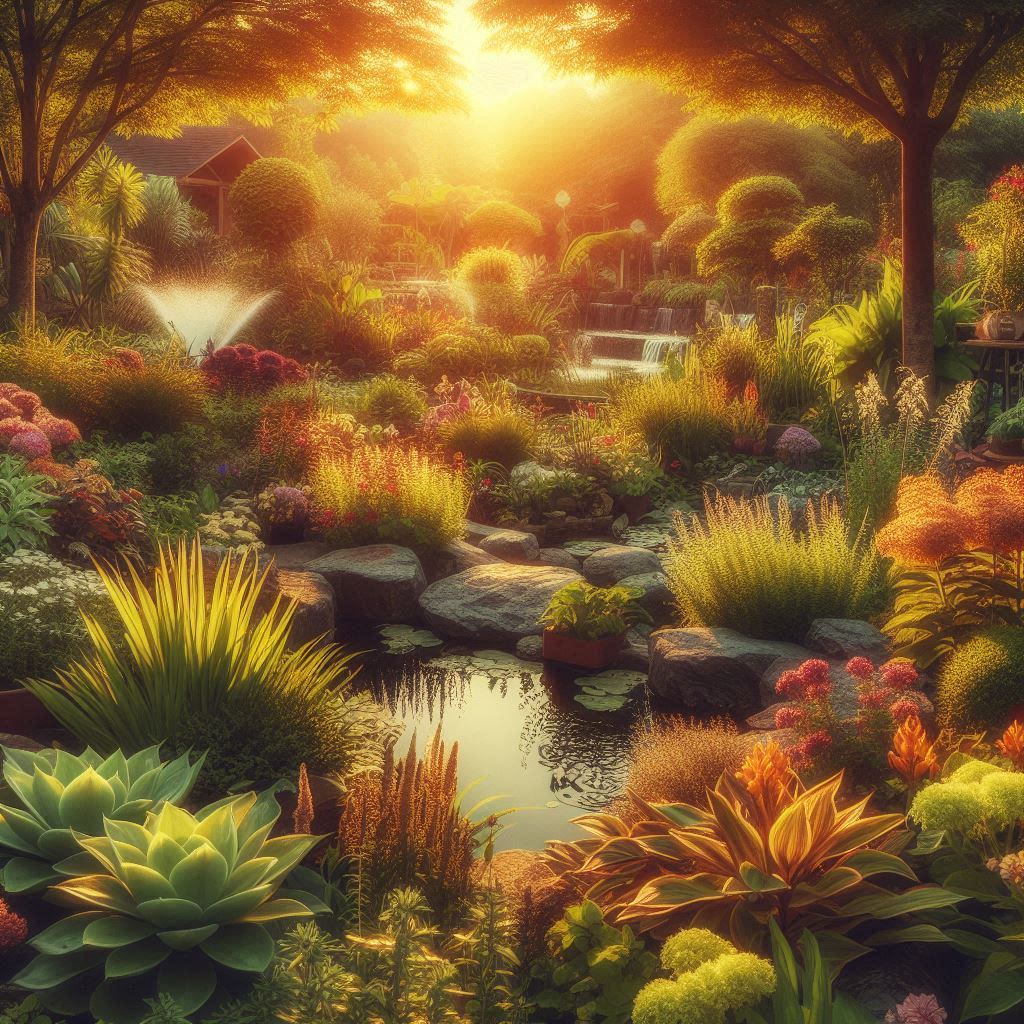
Water Features and Habitat A small pond, birdbath, or shallow dish helps wildlife. Dense shrubs and brush piles provide shelter. Leave some areas a bit wild — leaf litter and fallen logs support beneficial creatures.
Paths and Hardscaping Permeable paths (gravel, stepping stones, mulch) allow water to soak in instead of running off. They also define garden rooms and make maintenance easier.
Low-Maintenance Design Tips
Right Plant, Right Place Match plants to light, water, and soil conditions. This reduces watering, pruning, and replacements dramatically.
Perennials Over Annuals Perennials come back year after year, saving money and effort. Mix them with strategic annuals for color and food.
Layering Use ground covers, mid-height perennials, shrubs, and small trees. This creates a natural, self-mulching system that looks full with less work.
Edible Landscaping Incorporate fruit trees, berry bushes, and edible flowers into ornamental beds. You get beauty and harvests from the same space.
Getting Started Without Overwhelm
Begin small. Pick one bed or corner and do it well. Expand as you gain confidence. Many gardeners start with containers or a few raised beds before going bigger.
Join a local gardening group or online community. Sharing successes, failures, and seeds builds knowledge fast.
Budget wisely. Good soil amendments and a few quality tools (sharp pruners, comfortable gloves, sturdy trowel) matter more than buying every gadget.
Common Challenges and Smart Solutions
Pests and Diseases Healthy plants resist problems better. Encourage natural predators with diversity. Hand-pick larger pests and use row covers or netting when needed.
Time Constraints Automate watering with timers. Use mulch and ground covers to reduce weeding. Choose low-maintenance native plants.
Small Spaces Vertical gardening, containers, and window boxes multiply growing area. Even a balcony can support herbs, greens, and flowers.
Beginner Mistakes Planting too much too soon. Starting with poor soil. Ignoring local conditions. Be patient — good gardens take time to mature.
The Bigger Picture Benefits
A sustainable garden improves air quality, supports biodiversity, reduces your carbon footprint, and provides ultra-fresh food. Many people say it also lowers stress, improves mental health, and becomes a wonderful family activity.
Kids learn where food comes from. Neighbors often stop to chat when they see a beautiful, lively garden. Over time, your yard can become a small sanctuary for both people and wildlife.
Sustainable gardening isn’t about perfection or following rigid rules. It’s about working with nature instead of against it, learning as you go, and creating a space that feels alive and generous.
Start where you are. Improve one small area this season. Add a compost bin. Plant a few native flowers. Each positive step builds momentum and brings more joy.
Your garden doesn’t need to feed an entire neighborhood or look like a magazine cover. It just needs to be a healthy, thriving space that fits your life and gives back more than it takes.
When you garden sustainably, you’re not just growing plants — you’re growing a better connection to the natural world right outside your door.