Creating an Outdoor Living Area That Feels Like a Natural Extension of Your Home | Checkout NOW
Turning your backyard, patio, or balcony into a true outdoor living space changes how you experience your home. Instead of a plain patch of grass or concrete, you get a comfortable, inviting area where you actually want to spend time — morning coffee, evening meals, weekend gatherings, or quiet relaxation. The best outdoor living areas feel personal, practical, and connected to the rest of your house.
Here’s how to design one that works beautifully for real life.
Start With How You Want to Use the Space
The foundation of any great outdoor area is understanding your daily habits and dreams. Do you want a quiet morning spot for reading? A place for family dinners? An entertainment zone for friends? A play area for kids? A peaceful garden retreat?
List your priorities. A young family might need durable seating and open space for play. Empty nesters often want comfortable lounging and beautiful lighting for evening use. Entertainers focus on cooking, serving, and conversation flow.
Consider your climate too. Hot sunny areas need shade and airflow. Cooler regions benefit from wind protection and heating options. Think about views, noise from neighbors, and privacy.
Key Elements That Make an Outdoor Space Feel Complete
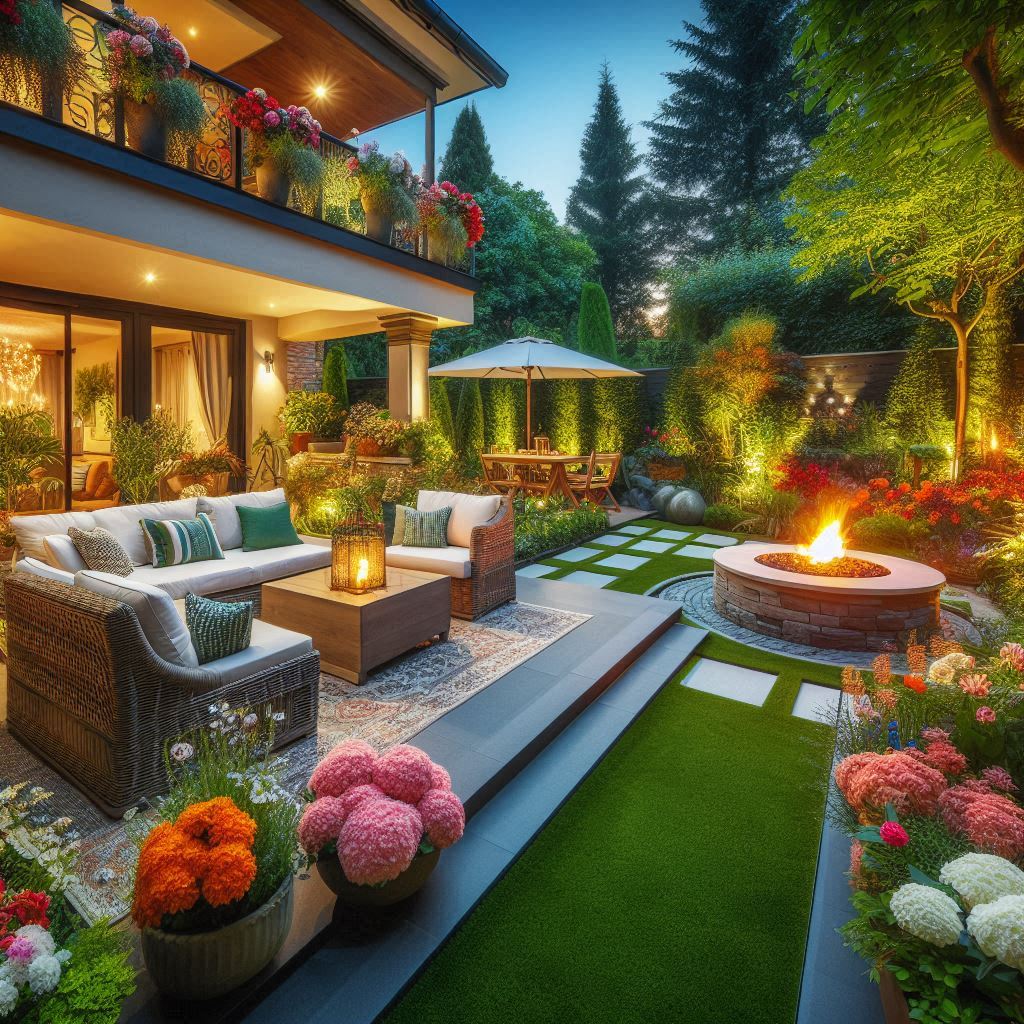
Seating and Comfort Comfortable furniture is non-negotiable. Mix sofas, armchairs, dining sets, and lounge chairs to suit different activities. Weather-resistant materials like teak, powder-coated aluminum, or high-quality resin wicker hold up best. Generous cushions with quick-dry foam and removable covers make a huge difference. Add throws, pillows, and outdoor rugs to define zones and add softness.
Shade and Protection A pergola, retractable awning, large umbrella, or sail shade makes the space usable in more weather conditions. Some people add roll-down screens or curtains for privacy and bug protection. In hotter climates, misters or fans extend comfort.
Cooking and Entertaining An outdoor kitchen or simple grill station turns the area into a functional extension of your indoor kitchen. Even a basic setup with a good grill, prep counter, and storage makes hosting much easier. Consider a sink, mini-fridge, or bar area if your budget allows.
Lighting Layers Good lighting extends usability into the evening. Combine ambient lights (string lights, lanterns), task lighting (over counters or tables), and accent lighting (uplights on trees or pathways). Smart systems with dimmers and timers give flexibility.
Greenery and Nature Plants soften hard surfaces and improve the feel of the space. Use a mix of pots, raised beds, vertical gardens, and existing trees. Choose low-maintenance varieties suited to your climate. Water features or small fountains add soothing sound and visual interest.
Flooring and Surfaces Durable, easy-to-clean flooring ties everything together. Options include concrete pavers, decking, gravel, artificial turf, or outdoor tiles. Define different zones with changes in material or level.
Layout and Flow That Feels Natural
Create clear zones without rigid walls:
- Cooking / serving area
- Dining space
- Lounging / conversation area
- Open space for play or movement
Leave pathways wide enough for comfortable movement, especially with trays or plates. Position seating to take advantage of views or shade patterns. Keep the grill away from main seating to manage smoke.
Connect the indoor and outdoor spaces visually and physically — matching colors, opening doors wide, or using similar materials help the areas feel like one.
Budget-Smart Approaches
You don’t need to do everything at once. Many people start with:
- Good seating and rug
- Basic shade and lighting
- Grill or simple cooking setup
- Plants and personal touches
Then add features like outdoor kitchens or permanent structures over time. Focus on quality pieces that will last rather than cheap items you’ll replace quickly.
Personal Touches That Make It Yours
Add elements that reflect your style and interests:
- Fire pit or fireplace for cozy evenings
- Hammock or swing for relaxation
- Outdoor movie projector setup
- Herb garden near the cooking area
- Art pieces or sculptures
- Games like cornhole or table tennis for fun
The most inviting spaces feel lived-in and personal rather than showroom-perfect.
Practical Considerations for Long-Term Enjoyment
Weather Resistance Choose materials rated for outdoor use. Cover furniture or use storage when needed. Good drainage prevents puddling after rain.
Maintenance Select low-maintenance options where possible. Plan for seasonal cleaning and storage. Built-in storage for cushions and items reduces daily effort.
Safety and Accessibility Good lighting on steps and pathways, stable surfaces, and secure railings matter. Consider future needs if you have aging family members.
Local Regulations Check rules about structures, lighting, or fire features before building permanent elements.
Bringing It All Together
A successful outdoor living area feels like a natural extension of your personality and home. It should invite you outside rather than sit unused. When designed thoughtfully, it becomes the spot where memories happen — family dinners, laughter with friends, quiet mornings with birdsong.
Take time to observe your space at different times of day and year. Notice where sun and shade fall. Think about wind patterns and views. Walk through your ideal evening routine mentally and design around that flow.
The best outdoor spaces grow and evolve with you. Start with the basics that matter most to your family, then layer in details over time. Focus on comfort, usability, and joy rather than perfection.
When you get it right, your outdoor area stops being just “the backyard” and becomes one of the most loved parts of your home — a place where life feels a little slower, a little brighter, and a lot more connected.