
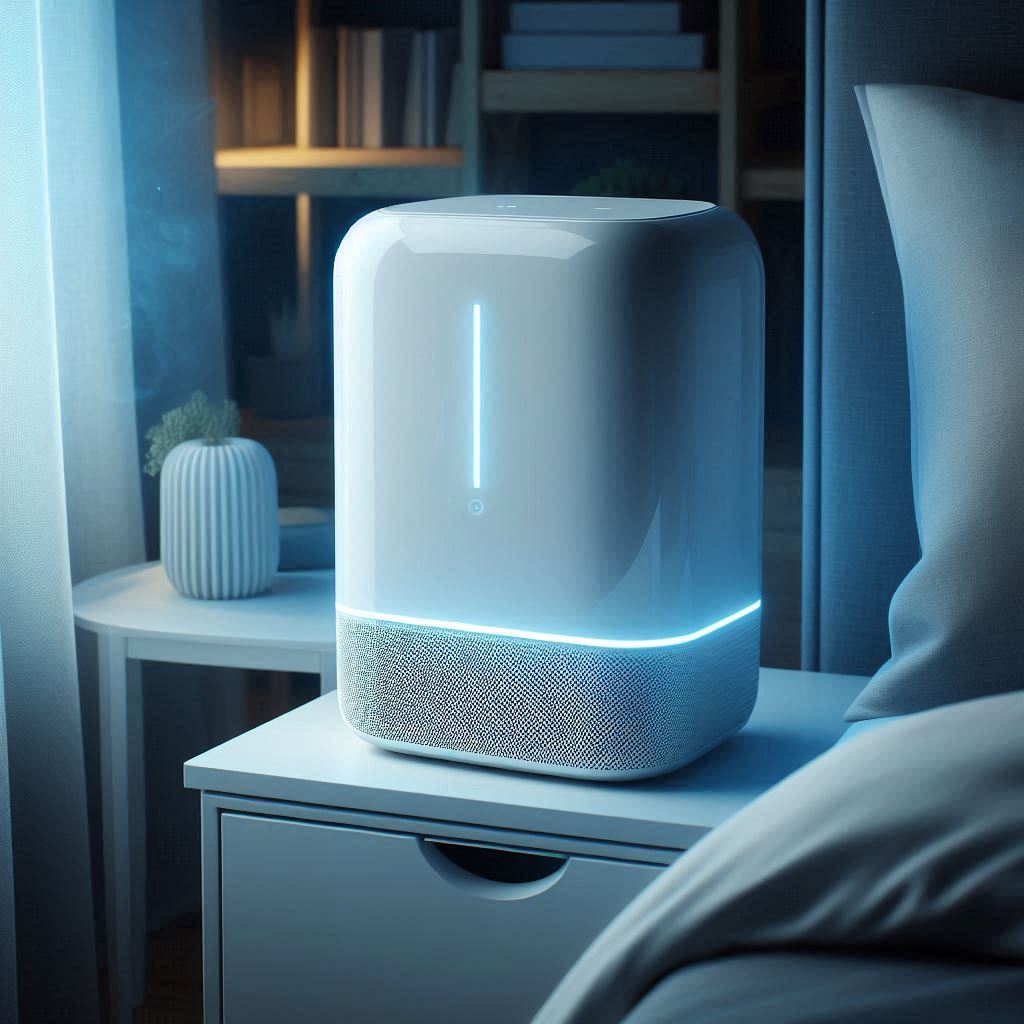
Why a Good Bedroom Air Purifier Might Be the Best Thing You Do for Your Sleep This Year | Checkout NOW
I used to think air purifiers were one of those “nice-to-have” gadgets for people with serious allergies or who live in polluted cities. Then I put one in my bedroom and everything changed. Within a week I was sleeping deeper, waking up less congested, and the air just felt… fresher. Not in a fake “mountain breeze” way, but genuinely cleaner and calmer.
If you’ve ever woken up with a stuffy nose, dry throat, or that heavy-headed feeling even after eight hours of sleep, the air in your bedroom might be the hidden culprit. Dust, pet dander, pollen, mold spores, and those tiny particles from bedding and furniture float around all night while you breathe them in. A decent air purifier quietly fixes that.
Here’s my honest take after using one consistently: it’s not magic, but for many people it becomes one of the smartest, low-effort upgrades you can make for better rest.
Why Your Bedroom Air Matters More Than You Realize
You spend roughly one-third of your life in your bedroom. That’s a lot of hours breathing the same air. Unlike the living room or kitchen, the bedroom is often closed up at night with windows shut, AC or heater running, and limited fresh airflow. Dust builds up on curtains, carpets, and mattresses. If you have pets that sleep nearby or suffer from seasonal allergies, the problem gets worse.
Poor air quality at night can lead to:
- More frequent waking or lighter sleep
- Nasal congestion and snoring
- Dry, irritated eyes or throat
- Morning headaches or fatigue
- Aggravated asthma or allergy symptoms
A good purifier pulls those particles out of the air before you inhale them all night long. Many people notice the difference within days, not weeks.
What to Look For When Choosing a Bedroom Air Purifier
Not all purifiers are suitable for bedrooms. You want something effective but quiet enough that it doesn’t disturb sleep.
Noise Level This is the most important factor for nighttime use. Look for models with a true “sleep mode” or ultra-low setting below 25-30 decibels—about as loud as a whisper or gentle rainfall. Anything louder will keep light sleepers awake.
Room Size Coverage Check the CADR (Clean Air Delivery Rate) rating and recommended room size. For a standard bedroom (150-300 sq ft), choose a purifier rated for at least that size or slightly more. Oversizing is better than undersizing because it cleans the air faster and can run on lower, quieter settings.
Filtration System The best ones use a multi-stage approach:
- Pre-filter for larger dust and hair
- True HEPA filter for tiny particles (0.3 microns and above)
- Activated carbon filter for odors, VOCs, and smells (especially useful if you have pets or live near traffic)
Some also add UV light or ionizers, but HEPA + carbon is the proven, reliable combo for most homes.
Filter Life and Maintenance Replacement filters can get expensive, so check how often they need changing (usually 6-12 months for HEPA). Look for models with filter replacement indicators so you don’t have to guess.
Extra Features Worth Considering
- Auto mode that adjusts fan speed based on air quality sensors
- Night light with dimmable options
- App control or remote (handy but not essential)
- Energy efficiency—some use very little power even on medium settings
- Compact, nice-looking design that blends into the bedroom
How It Actually Improves Sleep
Once you start running a purifier consistently, several things happen:
The air becomes noticeably less dusty. You might stop seeing those floating particles in the morning sunlight. Allergens drop dramatically, so if you have mild dust mite or pet allergies, symptoms often ease.
Many people report falling asleep faster because the gentle white noise from the fan creates a soothing background sound. (Choose a model where the low setting is pleasant, not buzzy.)
Over time, better air quality supports deeper, more restorative sleep cycles. You wake up feeling more refreshed instead of groggy.
For couples, one person’s allergies or snoring can affect both. A purifier helps level the playing field so everyone rests better.
Real-Life Scenarios Where It Helps Most
- Allergy sufferers: Pollen season becomes more manageable.
- Pet owners: Keeps dander under control even if your dog or cat sleeps in the room.
- City apartments: Filters out pollution and cooking smells that drift in.
- New parents: Cleaner air for babies and reduces worry about dust.
- Anyone with dry winter air: Some models have slight humidifying effects or just prevent that stale feeling.
I run mine every night on auto or sleep mode. On high-pollen days I notice it ramps up automatically, which is reassuring.
Setting It Up for Best Results
Place the purifier near the bed but not right next to your head—about 3-6 feet away usually works well. Keep it on a nightstand, dresser, or the floor in a corner with good airflow around it. Don’t block the intake or outlet.
Run it 24/7 for the first few days to “reset” the room air, then maintain it nightly. Keep your bedroom relatively tidy—less clutter means less dust for the purifier to handle.
Combine it with other good sleep habits: wash bedding weekly in hot water, vacuum regularly, and consider an allergen-proof mattress cover.
Common Mistakes to Avoid
- Buying only based on looks or lowest price. Cheap models often have weak motors and poor filters.
- Forgetting to replace filters on schedule—the purifier becomes useless when filters are clogged.
- Placing it in the wrong spot where furniture blocks airflow.
- Expecting it to solve every air problem (it won’t replace proper ventilation or cleaning).
Long-Term Benefits
After several months, you might notice fewer colds, less sinus pressure, and generally better energy levels. Some people even find their skin feels less dry. It’s one of those investments that keeps paying off quietly in the background.
The peace of mind is real too. Knowing the air your family breathes while sleeping is being actively cleaned feels good as a parent or partner.
If you’ve been struggling with restless nights or morning stuffiness and can’t figure out why, try adding a quality air purifier to your bedroom. It might not fix every sleep issue, but for many of us it removes one major hidden obstacle.
The difference is subtle at first, then you realize you don’t want to sleep without it anymore. Cleaner air at night is one of the simplest ways to take better care of yourself without changing your whole routine.
Have you tried one yet? Or are you thinking about getting your first? I’d love to hear how it goes—sleep is too important to leave to chance.