
Gardening Tools That Actually Make Your Time in the Garden More Enjoyable and Productive | Checkout NOW
Gardening becomes so much more satisfying when you have the right tools in your hands. The difference between struggling with dull blades, uncomfortable handles, or cheap tools that break quickly and working with quality pieces that feel good and last for years is huge. After spending many seasons in my own garden and helping friends choose their setups, I’ve learned which tools deliver real value and which ones disappoint.
Here’s a practical guide to finding gardening tools that match your needs, space, and how you actually like to work outside.
Start With Understanding Your Gardening Style
Before buying anything, think about what kind of gardener you are. Do you have a few pots on a balcony, a small backyard bed, or a larger vegetable garden? Do you enjoy heavy digging and building beds, or prefer container gardening and light maintenance? Are you dealing with heavy clay soil, sandy ground, or raised beds?
Your answers help prioritize. A balcony gardener needs compact, lightweight tools. Someone with a big plot benefits from durable long-handled options and time-saving tools.
Essential Tools Almost Every Gardener Needs
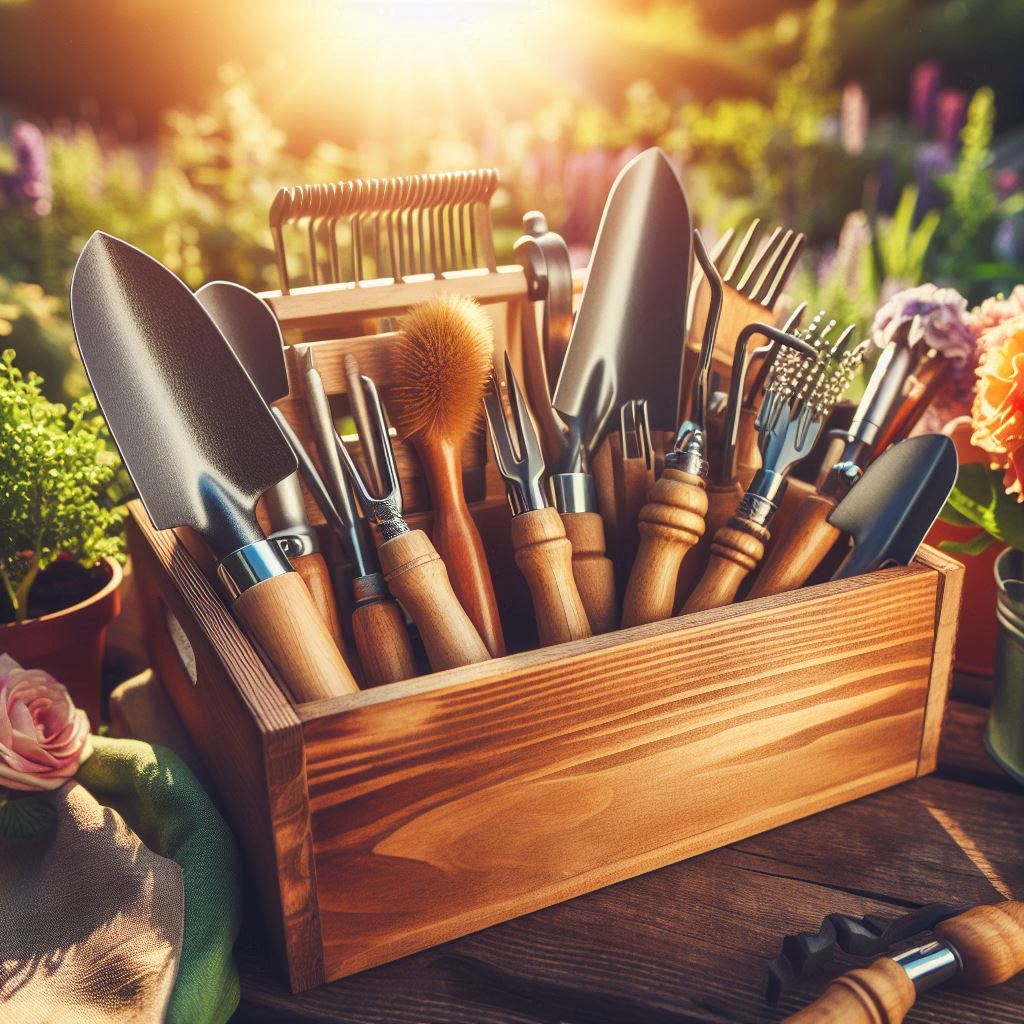
Hand Tools A good trowel, hand fork, and pruners form the core set. Look for sturdy stainless steel or carbon steel blades that resist rust. Ergonomic handles with good grip reduce hand fatigue. Bypass pruners cut cleanly through live stems, while anvil pruners work better for dead wood.
Long-Handled Tools A digging spade or shovel, garden fork, rake, and hoe cover most major tasks. Ash or fiberglass handles with strong heads last longest. Choose the right size and weight for your body — lighter tools for smaller gardeners or frequent use.
Cutting and Pruning Tools Sharp secateurs, loppers for thicker branches, and a pruning saw for larger limbs. Quality tools stay sharp longer and make clean cuts that help plants heal faster and resist disease.
Watering Solutions A reliable hose with a good nozzle, watering can, and perhaps a soaker hose or drip irrigation kit. Look for brass fittings and flexible, kink-resistant hoses.
Soil and Planting Tools A sturdy wheelbarrow or garden cart, soil knife, and dibber for planting seeds or bulbs. A compost turner or aerator helps if you maintain your own compost.
Specialty Tools Worth Considering
Weeding Tools A sharp hori hori knife or stand-up weeder saves your back and makes weeding faster. Long-handled options reduce bending.
Harvesting Tools Scissors for herbs and flowers, fruit pickers for trees, and a harvest basket or trug for carrying produce.
Power Tools for Larger Gardens A string trimmer, leaf blower, or small tiller can save hours once your garden grows. Battery-powered options are quieter and more convenient than gas models for many homeowners.
Raised Bed and Container Tools Narrower trowels, specialized potting soil scoops, and small rakes designed for raised beds or containers.
What to Look For When Buying Tools
Build Quality and Materials Stainless steel or high-carbon steel blades resist rust and stay sharp. Strong ash or fiberglass handles with secure connections to the head prevent loosening over time. Comfortable grips reduce blisters and fatigue.
Balance and Weight Tools should feel balanced in your hand. Too heavy and you’ll tire quickly. Too light and they lack power for tough jobs.
Warranty and Reputation Brands that stand behind their tools with good warranties usually make better products. Read real user reviews focusing on longevity after several seasons.
Ergonomics Look for cushioned grips, angled heads that reduce wrist strain, and sizes that fit your height and strength.
Storage and Maintenance Hanging holes, racks, or wall organizers keep tools accessible and off the ground. Clean and oil tools after use to extend their life.
Building Your Collection Gradually
Start with the basics:
- Trowel
- Pruners
- Spade or shovel
- Rake
- Watering can or hose
Add more specialized tools as you discover specific needs in your garden. Many gardeners say they use just 5-7 tools for 80% of their work. Quality over quantity wins here.
Caring for Your Tools So They Last
Clean tools after every session. Remove soil, sap, and plant debris. Dry them thoroughly. Oil wooden handles and metal parts periodically. Sharpen blades regularly — sharp tools make gardening easier and reduce plant damage. Store tools in a dry place, preferably hanging up.
Proper care turns good tools into lifelong companions.
Matching Tools to Your Specific Garden
Container and Balcony Gardens Compact hand tools, small watering cans, and lightweight pruners.
Vegetable Gardens Strong digging tools, hoes for weeding, and harvesting equipment.
Ornamental Gardens Precision pruners, edging tools, and aesthetic items like decorative rakes.
Heavy Clay or Tough Soil Robust forks and spades with good leverage.
Making Gardening More Enjoyable
The right tools reduce physical strain and frustration. When digging feels easier, pruning is clean, and everything stays organized, you spend more time enjoying your garden and less fighting with equipment.
Many people find that upgrading their tools increases how often they garden because the process feels more rewarding. A comfortable kneeling pad, good gloves, and proper tools turn chores into pleasant outdoor therapy.
Final Thoughts
Great gardening tools don’t have to be expensive or complicated. They just need to be well-made, comfortable for your body, and suited to the work you actually do. Start with high-quality basics, maintain them well, and add specialized pieces as your garden and skills grow.
When you have the right tools, gardening stops feeling like hard work and starts feeling like a joyful, productive hobby. Your plants will thank you with better growth, and you’ll enjoy more time in the garden instead of struggling with inadequate equipment.
Invest in tools that feel good in your hands. They’ll pay you back with years of reliable service and many happy hours spent growing beautiful things.