Picking the right plants for your home garden can feel overwhelming with so many options available. The secret to a beautiful, low-stress garden is selecting varieties that naturally suit your climate, soil, sunlight, and how much time you realistically have to care for them. When plants are happy in their spot, they grow better, need less maintenance, and reward you with more flowers, fruits, or greenery.
Here’s a practical approach that helps many home gardeners create spaces they actually enjoy tending.
Understand Your Specific Garden Conditions
Start by observing your yard honestly for at least a couple of weeks. Note which areas get full sun (6+ hours), partial sun, or mostly shade. Check how water drains after rain — some spots stay soggy while others dry out fast. Feel the soil texture: sandy soils drain quickly, clay holds water, and loamy soil is ideal for most plants.
Consider your climate zone, typical temperature swings, wind exposure, and frost dates. Local garden centers or extension services can give tailored advice based on your exact location.
Also think about your lifestyle. Busy families need tough, low-maintenance plants. Gardening enthusiasts might enjoy more challenging varieties that offer bigger rewards.
Best Plant Categories for Home Gardens
Easy-Care Perennials These come back year after year and form the backbone of many beautiful gardens. Hostas, daylilies, coneflowers, black-eyed Susans, and sedum are reliable performers in many regions. Once established, they need minimal watering and care.
Flowering Shrubs Hydrangeas, roses (especially landscape varieties), butterfly bush, and spirea add structure and seasonal color. Choose disease-resistant types to reduce spraying.
Trees for Structure Small ornamental trees like Japanese maples, dogwoods, redbuds, or serviceberries provide shade, privacy, and year-round interest. Dwarf varieties work well in smaller yards.
Herbs and Edibles Basil, rosemary, thyme, mint, tomatoes, peppers, and leafy greens give fresh harvests right outside your door. Many herbs are beautiful enough for ornamental beds too.
Ground Covers Creeping thyme, sedum, vinca, or native wildflowers cover bare soil, reduce weeds, and prevent erosion. They’re especially useful on slopes or under trees.
Climbers and Vines Clematis, honeysuckle, jasmine, or climbing roses dress up fences, trellises, and arbors beautifully.
Smart Shopping and Selection Tips
Buy Healthy Plants Choose specimens with vibrant leaves, no yellowing or spots, and good root systems (gently check the bottom of the pot). Avoid plants that look leggy or stressed.
Right Size at Purchase Smaller plants establish faster and are cheaper. Larger plants give instant impact but cost more and need more care initially.
Native and Adapted Plants These thrive with less water, fertilizer, and pest control because they evolved in your region. They also support local pollinators and wildlife better.
Diversity Matters Mix heights, bloom times, textures, and colors for year-round interest and better pest resistance. A monoculture garden is more vulnerable to problems.
Seasonal Interest Include plants that shine in spring, summer, fall, and winter (evergreens, interesting bark, or berries).
Design Tips for a Cohesive Garden
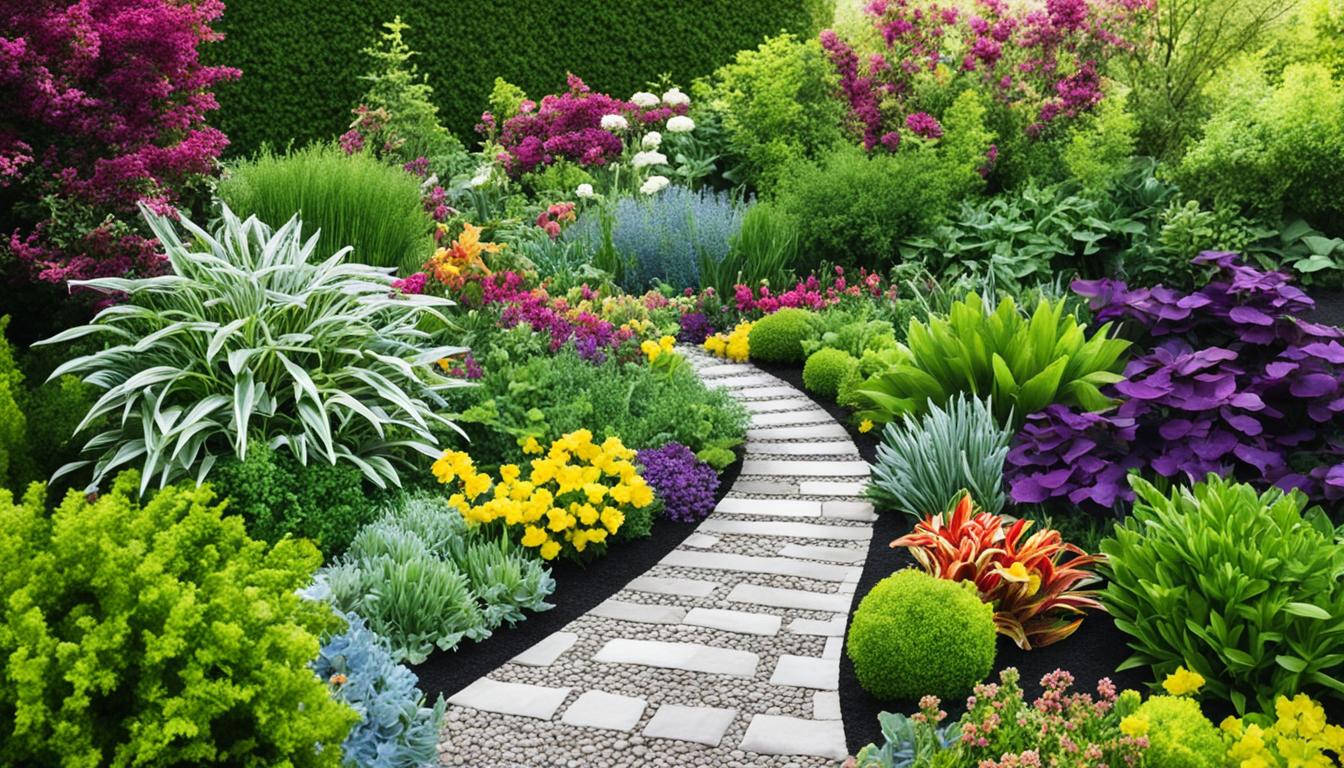
Layering Use tall plants at the back, medium in the middle, and low growers or ground covers at the front. This creates depth and natural flow.
Repeat for Rhythm Repeating certain plants or colors in different areas gives a polished look without feeling rigid.
Focal Points One dramatic plant, a beautiful container, or a small tree can anchor a bed.
Pathways and Edges Clear paths and defined bed edges make the garden feel intentional and easier to maintain.
Containers Great for small spaces, patios, or adding color near entrances. Group pots in odd numbers for natural appeal.
Maintenance Considerations
Watering Needs Group plants with similar requirements together. Drip irrigation or soaker hoses save time and water.
Soil Preparation Amending soil with compost before planting gives everything a strong start. Mulch after planting to retain moisture and reduce weeds.
Pest and Disease Management Healthy plants resist problems better. Choose resistant varieties and practice good spacing for airflow.
Time Commitment Be realistic. Start smaller than you think you can handle. A thriving small garden feels better than a struggling large one.
Common Beginner Mistakes to Avoid
- Planting too close together (they grow!)
- Ignoring mature size of plants
- Putting sun-lovers in shade or vice versa
- Overwatering or underwatering
- Skipping soil preparation
Making Your Garden Personal and Enjoyable
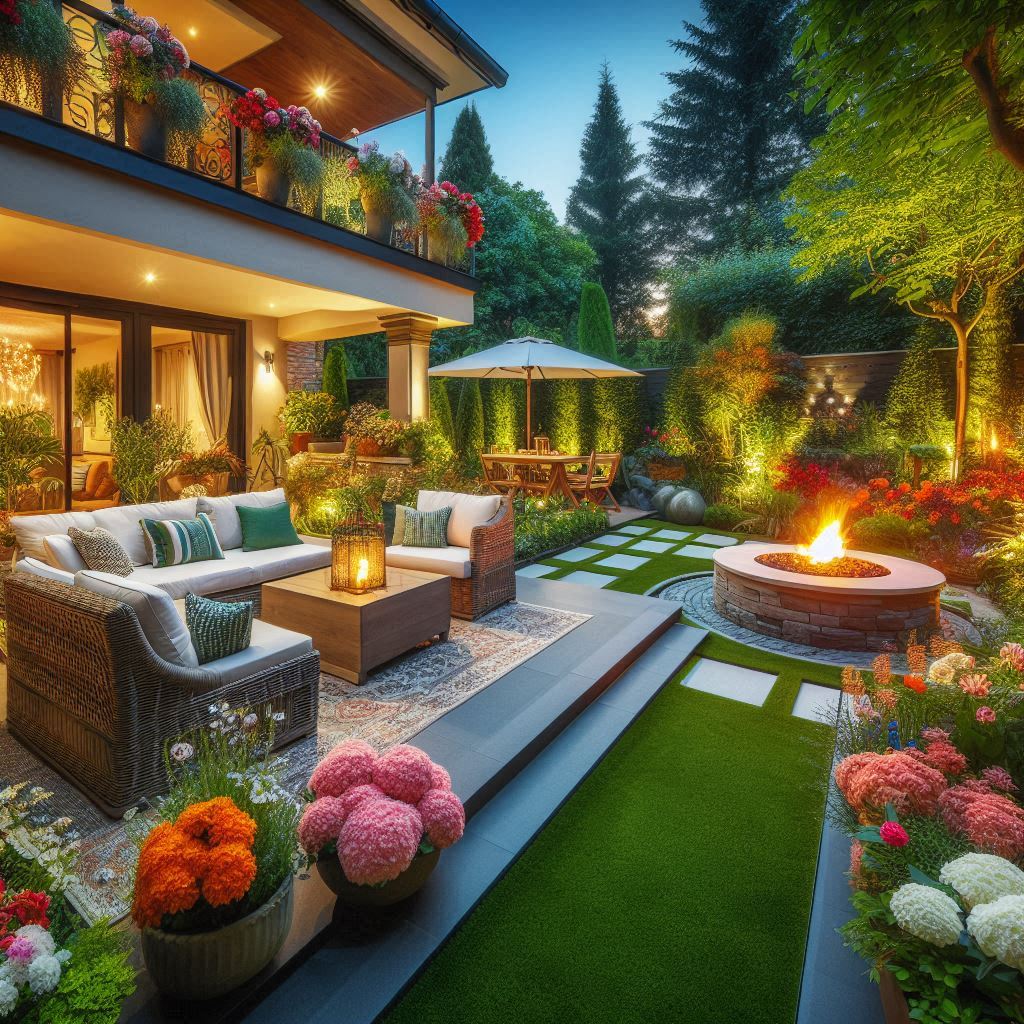
Incorporate elements you love — a seating area, bird feeder, small water feature, or favorite colors. Many gardeners add edible plants among ornamentals for beauty and harvests.
Involve family members in choosing and planting. Kids often love watching things grow from seed.
Visit local gardens, nurseries, and plant sales for inspiration. Talking to experienced gardeners in your area gives the best regional advice.
The Long-Term Payoff
When you choose plants that suit your conditions and care level, gardening shifts from chore to pleasure. Your garden becomes more resilient, attracts beneficial wildlife, and looks better with each passing season as plants mature.
A thoughtful home garden provides fresh air, beauty, food, and a wonderful connection to nature right outside your door. It also becomes a space for relaxation, creativity, and making memories with family and friends.
Start small, learn as you go, and don’t be afraid to move plants that aren’t happy. Gardening is a journey, and the best gardens evolve naturally over time with patience and observation.
The right plants in the right places will reward you with seasons of beauty and joy with far less struggle than fighting against unsuitable choices.