Indoor Plants That Bring Life, Color, and Calm to Every Room in Your Home | Checkout NOW
Bringing plants indoors is one of the simplest ways to make your home feel more alive, fresh, and welcoming. A well-placed plant can soften hard edges, add color, improve air quality, and even boost your mood on tough days. After filling different homes with greenery over the years, I’ve learned which approaches actually work beautifully without turning your space into a jungle you have to fight to maintain.
Here’s how to decorate with indoor plants in ways that feel natural, stylish, and sustainable.
Why Indoor Plants Make Such a Big Difference
Plants do more than look pretty. They soften a room’s acoustics, add organic shapes that contrast nicely with furniture, and create focal points that draw the eye. Many varieties help clean the air, increase humidity, and reduce stress. The best part? Once you find the right plants for your light conditions, they become low-maintenance companions that grow and change with your home.
Smart Ways to Place Plants Throughout Your Home
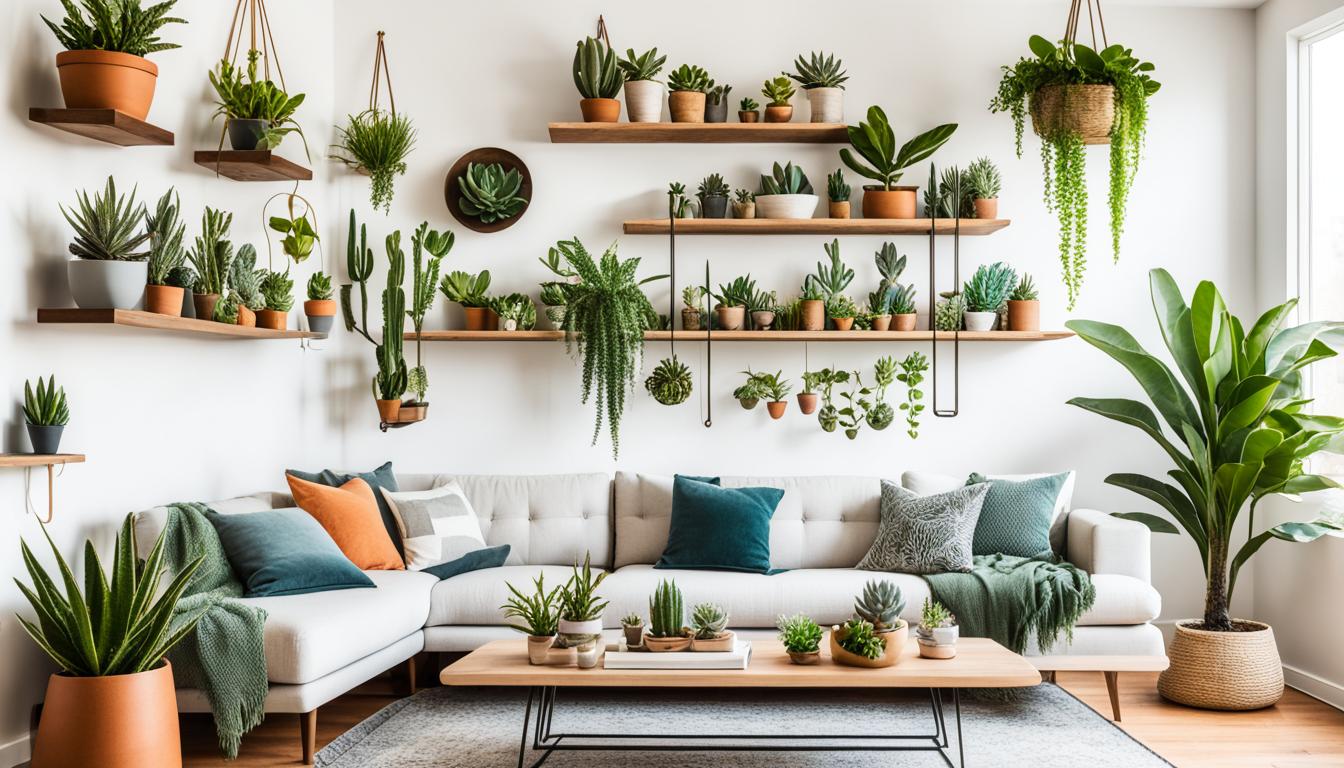
Living Room Use larger statement plants like fiddle leaf fig, monstera, or bird of paradise in corners to fill empty space and add height. Group smaller plants on shelves, coffee tables, or plant stands for layered interest. Hanging plants near windows create movement and softness.
Kitchen Herbs on a sunny windowsill or counter are both decorative and useful. Trailing plants like pothos or string of pearls in hanging planters save counter space while adding life. A larger plant in a nice pot can anchor an empty corner.
Bedroom Plants like snake plant, peace lily, or lavender promote calm and better sleep. Keep them on nightstands, dressers, or in hanging planters. Avoid very large plants that dominate small bedrooms.
Bathroom High-humidity lovers like ferns, pothos, and ZZ plants thrive here. Hanging plants or small shelves above the toilet make great use of vertical space. They add softness to hard surfaces.
Entryway and Hallways Tall plants or a grouping on a console table create a warm welcome. Narrow plants work well in tight hallways. A hanging plant or two softens overhead lighting.
Home Office Plants on desks reduce eye strain and boost focus. Shelving units filled with smaller varieties add personality without taking desk space. Larger floor plants improve air quality during long work sessions.
Creative Display Ideas That Look Intentional
Plant Stands and Shelves Different heights create visual interest. Wooden, metal, or ceramic stands add style while elevating plants. Corner shelf units make great use of awkward spaces.
Hanging Planters Macrame hangers, modern ceramic hangers, or simple hooks from the ceiling save floor space and add movement. Group them at varying heights for a natural look.
Gallery Walls with Plants Mix framed art with mounted plants or small shelves holding potted plants. This creates a living gallery effect.
Plant Clusters Grouping plants of different heights, textures, and leaf shapes feels more natural than single plants scattered around. Odd numbers (3 or 5) usually look best.
Terrariums and Dish Gardens Perfect for small spaces or tabletops. Closed terrariums need almost no care, while open ones let you play with miniature landscapes.
Choosing the Right Plants for Your Conditions
Low Light Areas Snake plant, ZZ plant, pothos, peace lily, and cast iron plant are nearly indestructible and forgiving.
Bright Indirect Light Most popular houseplants thrive here — monstera, fiddle leaf fig, rubber plant, calathea, and many ferns.
Sunny Windows Succulents, cacti, jade plant, and herbs love direct sun.
Beginner-Friendly Choices Pothos, snake plant, spider plant, and philodendron are hard to kill and grow quickly, giving fast satisfaction.
Pet-Friendly Options Spider plant, Boston fern, parlor palm, and peperomia are safe choices if you have curious cats or dogs.
Styling Tips That Look Natural and Polished
Mix Textures and Shapes Combine broad leaves (monstera), fine foliage (fern), and upright growth (snake plant) for visual interest.
Vary Pot Styles Mix ceramic, terracotta, woven baskets, and modern concrete. Use similar colors or materials for cohesion, or go eclectic for personality.
Scale and Proportion Use large plants to fill empty corners and small ones for tabletops. Avoid putting tiny plants on the floor or huge ones on small tables.
Color Coordination Green is calming, but add variegated varieties or flowering plants (peace lily, African violet, orchids) for pops of color.
Seasonal Touches Rotate plants or add seasonal accents like mini pumpkins in fall or fresh flowers in spring.
Care Tips for Long-Term Success
Watering Most plants prefer to dry out slightly between waterings. Use your finger to check soil moisture. Overwatering kills more plants than underwatering.
Light Match plants to their preferred light levels. Rotate them occasionally for even growth.
Soil and Feeding Use quality potting mix suited to each plant type. Fertilize during growing season (spring/summer) but lightly.
Pest Prevention Good airflow, proper watering, and occasional leaf cleaning prevent most issues. Neem oil or insecticidal soap handles occasional problems gently.
Repotting Move plants to larger pots when roots fill the current one, usually every 1–2 years.
Creating a Cohesive Home Plant Collection
Start small in one room and expand as you gain confidence. Many people begin with 3–5 easy plants and gradually build a collection that reflects their style.
Group plants by care needs (all low-water plants together) to make maintenance easier. Use plant stands, trays, and saucers to protect floors and furniture.
The most beautiful plant-filled homes don’t look like plant shops. They feel curated and personal, with greenery enhancing the architecture and furniture rather than competing with it.
The Joy of Living with Plants
Indoor plants connect you to nature even when you’re stuck inside. They change with the seasons, reward good care with new growth, and become living decorations that evolve over time.
Many people say their homes feel calmer, fresher, and more welcoming after adding plants. They also become great conversation starters when guests visit.
Start with plants you genuinely like and that suit your space and schedule. A few happy, healthy plants will encourage you to add more over time.
Your home should feel alive, and nothing brings that feeling quite like thoughtfully placed greenery. With the right choices and a bit of care, your indoor plants will become some of the most loved features in every room.